Crochet Patterns You Can Actually Follow
Crochet Craftly sells written crochet patterns as instant PDF downloads — amigurumi, blankets, granny squares, garments, hats, bags and home decor — starting at 5$. Every pattern is written in US terms with a UK conversion key, carries a stitch count at the end of every row, and has been made by hand before it went on sale. The file reaches you the moment payment clears and stays in your account permanently, so you can download it again whenever you need it. Alongside the main collections there are seasonal and holiday ranges published months ahead of the date, and a free pattern every month. If a row doesn’t work out, email a photo of where you are and the row number to Support@crochetcraftly.com — the person who wrote the pattern answers, and can usually spot the problem from the picture.
What we sell
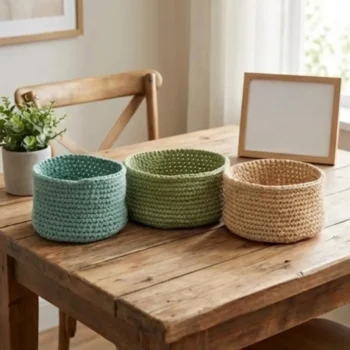
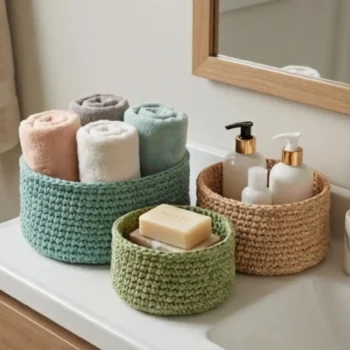
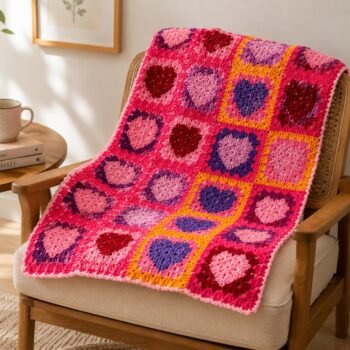
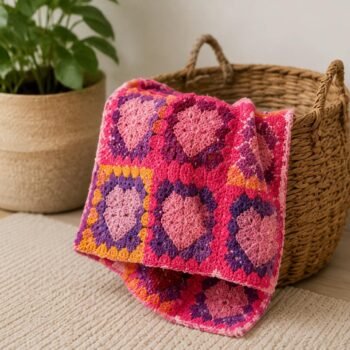
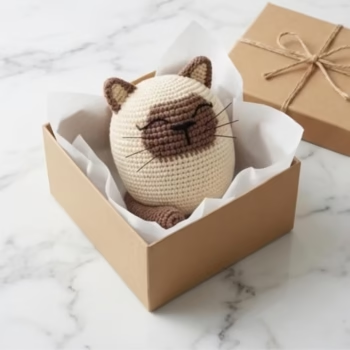
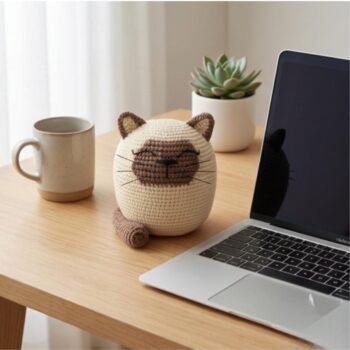
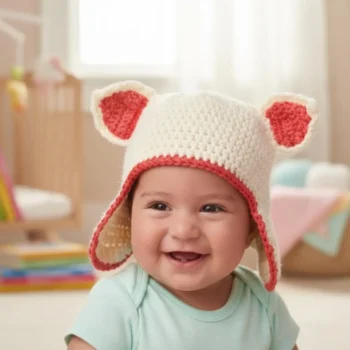
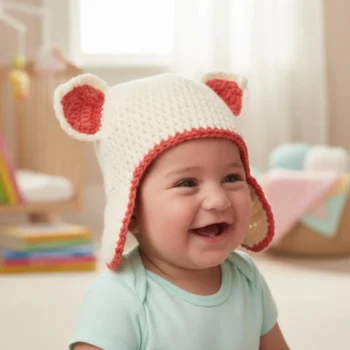
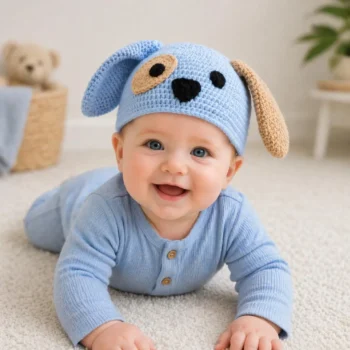
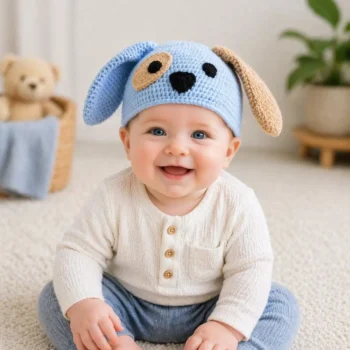
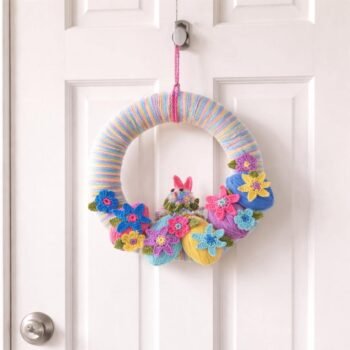
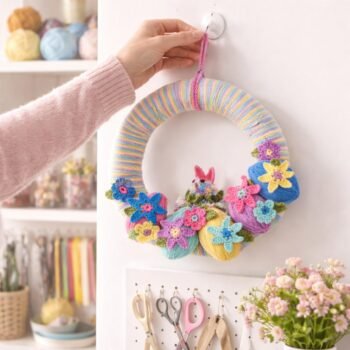
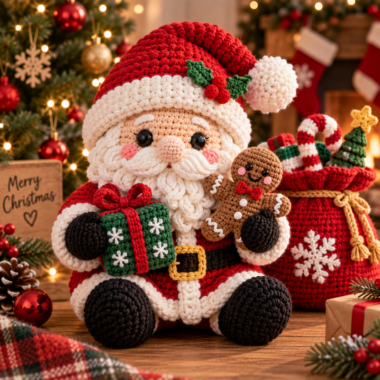
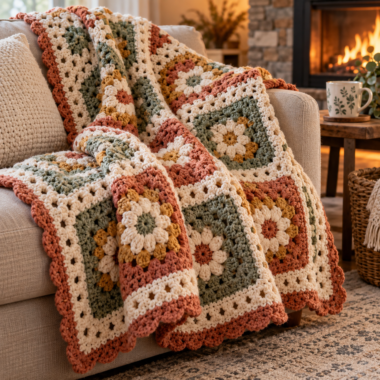
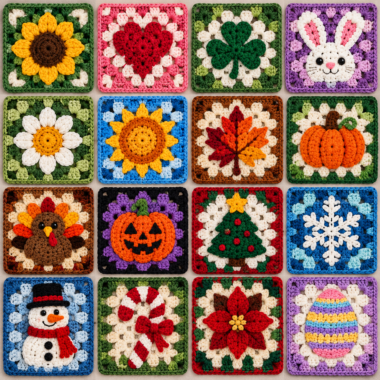
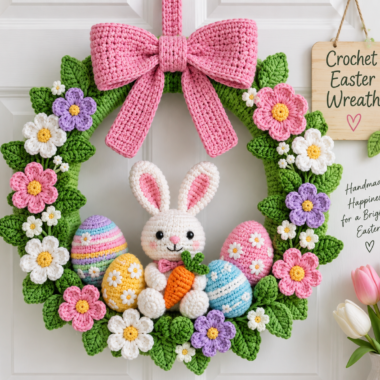
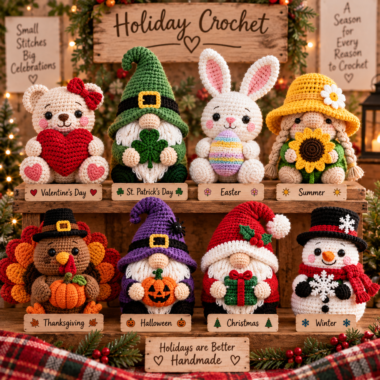
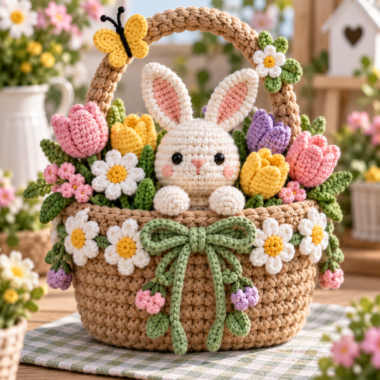
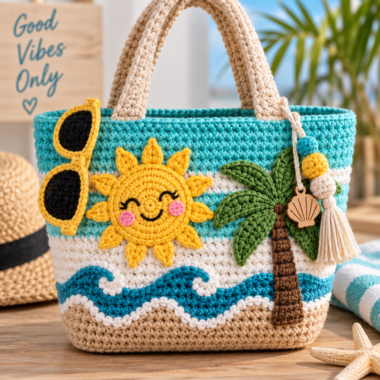
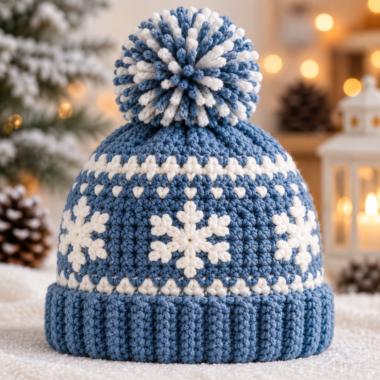
Patterns are organised by what you’re making rather than by yarn or skill level, because that’s how people shop for them. Amigurumi is the largest collection — animals, dolls, plushies and mini makes small enough to sit inside a card. Blankets covers granny square afghans, ripple and chevron designs, mosaic patterns and mandala throws, each with the yardage and square count worked out for every finished size. Granny squares has its own collection: the basic square done properly, motif squares with flowers and animals worked into the centre, join-as-you-go, and the projects a growing pile of squares turns into. For wearables there are garments — cardigans, jumpers, vests, ponchos, dresses and tops, all graded across a full size range — and hats and accessories, which is the faster route to the same thing: beanies, headbands, ear warmers, balaclavas, scarves and gloves, most of them an evening’s work. Bags covers totes, market bags, purses and baskets, every one with lining instructions, because an unlined crochet bag stretches out of shape inside a month however tight your tension. Home decor and flowers are for when you want something finished today. Coasters, doilies, dishcloths, table runners, garlands and bookmarks in the first, and roses, daisies, leaves, hearts and bouquets in the second — minutes each, made from scraps, and they turn into garlands, wreaths, brooches and appliqués for everything else. The dated collections run separately: spring, summer, fall and winter, plus Christmas, Halloween, Thanksgiving, Easter, Valentine’s Day and St Patrick’s Day.
Which yarn suits which project
The yarn decides how a finished piece behaves far more than the stitch does, and the choice comes down to what the thing has to do rather than what it costs. Cotton holds stitch definition and doesn’t stretch. That makes it right for anything that has to keep a shape — bags, baskets, coasters, table linens, amigurumi that shouldn’t sag, and summer garments where you want the stitch pattern to read clearly. It also breathes, which is why summer tops and cover-ups are cotton almost without exception. Wool and wool blends trap air, which is the whole point of winter wear. Wool also blocks — wet it, pin it to shape, let it dry, and it holds that shape. Cotton barely does, which is why a cotton garment has to fit off the hook rather than be persuaded afterwards. Acrylic is cheap, washes without fuss and comes in colours the natural fibres don’t. For amigurumi it’s the sensible choice, because nobody can tell what a stuffed animal is made of once it’s stuffed. It’s also right for decorations that get handled, boxed and brought out again next year. Bamboo and linen blends drape beautifully and cost more. They suit dresses and cover-ups, with one caveat: they relax with wear rather than spring back, so allow for that in the size you choose. Every pattern lists the exact yarn used with its weight and metreage, plus two substitutes at different price points, so none of this has to be worked out from scratch.
What yarn weight labels actually tell you
A yarn weight name means different things on different sides of the Atlantic, and that mismatch ruins more projects than any stitch mistake does. The Craft Yarn Council’s Standard Yarn Weight System numbers yarn from 0 to 7 — lace, super fine, fine, light, medium, bulky, super bulky and jumbo — and gives a recommended hook size and gauge range for each. Those numbers are unambiguous. The words are not. American “worsted” and British “aran” sit in roughly the same place, so a pattern calling for worsted will work in aran and often won’t say so. British “double knitting” is the same as DK, one step lighter. And UK ply numbers mislead badly: “4-ply” sounds substantial but sits around American fingering or sock weight, which is thin. A crocheter who reads 4-ply as heavy and buys accordingly ends up with a garment two sizes out. Hook sizes have the same problem. Metric millimetres are exact. American letter and number sizes are not consistent between manufacturers, so a 4mm hook and an American G/6 are nominally the same and in practice sometimes aren’t. Every pattern here gives hook sizes in millimetres first. So when you’re substituting yarn, match the weight number and the metreage per 100g rather than the name on the band. If the number isn’t printed, the Craft Yarn Council standards pages show the gauge range for each weight, and you can work backwards from that.
US and UK crochet terms: the trap worth knowing about
The same abbreviation means two different stitches depending on which system a pattern is written in, and nothing in the pattern will look wrong until the whole piece is the wrong size. In US terms, “dc” is a double crochet, worked with one yarn over. In UK terms, “dc” is a double crochet too — but it’s the stitch Americans call a single crochet, worked with no yarn over at all. Follow a UK pattern as though it were American and every stitch comes out taller than intended. The full conversion runs: US single crochet is UK double crochet, US half double is UK half treble, US double is UK treble, and US treble is UK double treble. Every pattern on this site is written in US terms, and every PDF carries the conversion key on its first page, so a UK crocheter can work straight from it without converting as they go. If a pattern you’ve bought elsewhere doesn’t say which system it uses, look for the word “single crochet” anywhere in it. If it appears, the pattern is American.
How to get a garment to fit
Make a gauge swatch before you start, and choose your size from the finished measurements rather than from the label on the pattern. The swatch is the part people skip and the reason most crochet garments fail. Every garment pattern here gives a gauge — a number of stitches and rows over four inches, or ten centimetres. Work a square in the pattern stitch, measure it, and compare. More stitches than the pattern says means your tension is tight, so go up a hook size. Fewer means it’s loose, so go down. The hook size printed on a pattern is a starting suggestion, not an instruction; the swatch is what actually decides whether a medium comes out a medium. Then the size. Every garment pattern lists finished measurements, which are the dimensions of the completed piece, not of the person wearing it. The gap between the two is ease. A relaxed cardigan wants two to four inches more than your actual bust measurement. A fitted crop top wants less than your measurement, so it stretches to sit close. Measure yourself, decide how you want it to sit, then pick the size from the finished measurements. If you’re between two sizes, take the smaller one in cotton and the larger in wool. Cotton relaxes with wear and wool blocks to shape.
Patterns for children, and what’s safe
Anything intended for a baby or small child uses embroidered features rather than plastic safety eyes, and the listing says so. Plastic eyes and noses are secure enough for a display piece and not secure enough for something a toddler will chew. Any amigurumi, lovey or blanket in the children’s range is written with embroidered faces and no removable parts, and where a pattern offers both options it says which one is the child-safe version. For baby blankets, the safety consideration is the stitch rather than the trim. Very open lacy stitches can catch small fingers, so the baby patterns use denser stitch patterns. Each listing gives the finished measurements so you can match a blanket to a cot or a pram rather than guessing.
Making crochet to sell at markets
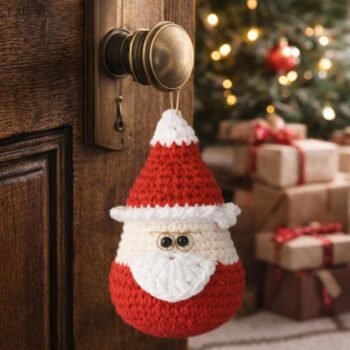
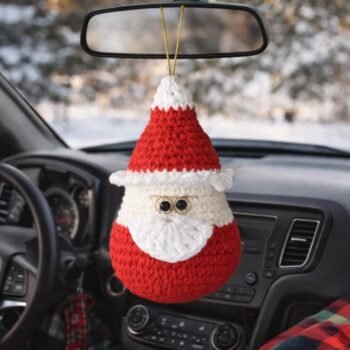
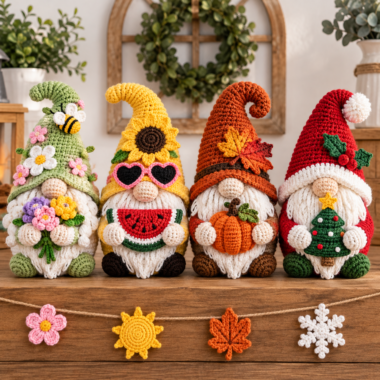
Every pattern carries a small-business licence, so you can sell the finished items you make — at markets, online, or anywhere else. What sells is small and priced for impulse. Ornaments, keychains, gnomes, mini pumpkins, gingerbread men, treat bags, earrings and hair clips all cost very little in yarn and move in multiples, because a customer will buy three without thinking about it. Large display pieces bring people to a stall and then sit there; they earn their keep as a draw rather than as stock. Timing matters more than range. Christmas is the season the selling year is built around and needs starting in August. Halloween is the second biggest and considerably less crowded, with a window that shuts completely on the 1st of November. Easter is shorter and gentler, and the buyers are shopping for children, which means cute beats intricate every time. What the licence doesn’t allow is reselling, sharing or republishing the pattern file itself, or selling it on as your own. The finished item is yours; the instructions stay ours.
Why buy a pattern when free ones exist
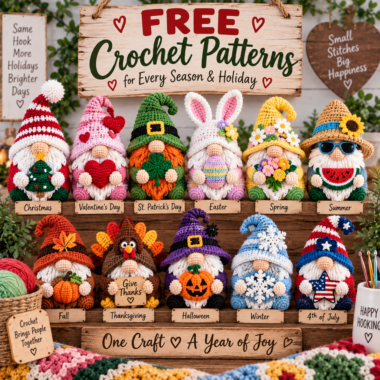
Free patterns are worth using, and there are plenty on this site. What you pay for is everything around the instructions. A paid pattern here is graded across a full size range with finished measurements and a schematic, which a free garment pattern almost never is. It carries a stitch count at the end of every row, so a mistake shows up in the row you made it rather than six rows later when the piece has gone crooked. The photo tutorials sit at the steps that actually go wrong rather than the obvious ones. It’s a printable PDF formatted for A4 and US Letter rather than a web page with adverts between the rounds. And if it still doesn’t work, someone who made the thing answers your email. The free patterns here are complete rather than samples with the useful parts removed — a basic granny square, a beginner beanie, a simple flower, a market bag, a starter amigurumi, and a seasonal pattern each quarter, with a new one added every month. They’re the honest way to see how these patterns are written before spending anything.
How buying and downloading work
To order: add the pattern to your cart, pay, and the download link appears on screen. A copy also goes to your email, and the file stays in your account permanently. There’s nothing to ship and nothing to wait for. Patterns are PDFs formatted for A4 and US Letter, with a print-friendly version that drops the photographs if you’d rather save ink. [Refund and support policy — needs your real wording. Most pattern shops can’t offer refunds on instant downloads, and say so plainly rather than leaving it vague. State what you do instead: free help by email, a corrected file if there’s an error in the pattern, and a rewrite if a step turns out to be wrong.] If a row doesn’t work out, email a photo of where you are and the row number to Support@crochetcraftly.com These patterns were written and tested here, so the problem can usually be identified from the photo and fixed without pulling the whole piece back.
About
This shop is run by Ben, who has been crocheting for years and selling patterns since before this site existed. Every pattern was made by hand before it went on sale, usually more than once, because the second attempt is where you find out which row was ambiguous and which instruction only made sense to the person who wrote it. That’s why the photo tutorials sit where they do — each one marks a place where something actually went wrong. Add: roughly how long Ben has been crocheting, whether he sells at markets, and anything about how the patterns get tested. Two or three concrete facts here do more for trust than anything else on the page.
Common questions
Are these patterns suitable for beginners?
Many of them. Beginner patterns are marked in every collection and carry extra photo steps, and several of the free patterns are written for complete beginners. If you can chain, single crochet and double crochet, there’s plenty here you could start today.
Are the patterns in US or UK crochet terms?
US terms throughout, with a conversion key on the first page of every PDF. US single crochet is UK double crochet, US double crochet is UK treble, and the key covers the rest, so a UK crocheter can work straight from the pattern without converting as they go.
Is a higher yarn weight number better?
No — the number describes thickness, not quality. The Craft Yarn Council numbers yarn 0 to 7 from lace to jumbo, and the right one depends entirely on the project. Match the weight number and the metreage per 100g when substituting, not the name printed on the band.
Do I really need to make a gauge swatch?
For anything wearable, yes. The hook size on a pattern is a suggestion and tension varies between people, so the swatch is what decides whether a medium comes out a medium. For amigurumi, bags and decor it matters far less — a slightly smaller bunny is still a bunny.
How do I choose the right garment size?
From the finished measurements listed on the pattern, not from the size label. Measure your own bust, then allow two to four inches more for a relaxed fit or slightly less than your measurement for something fitted. Between two sizes, take the smaller in cotton and the larger in wool.
What yarn do I need?
Every pattern lists the exact yarn used with its weight and metreage, plus two substitutes at different price points. As a general rule: cotton for bags, decor and summer garments, wool or a wool blend for winter wear, and whatever’s cheapest for amigurumi.
Are the patterns safe for babies and children?
The children’s range uses embroidered features rather than plastic safety eyes and has no removable parts. Each listing states which version it is. Baby blankets use denser stitch patterns so small fingers can’t catch.
How do I get my pattern after paying?
The download appears on screen the moment payment clears, and a copy goes to your email. It stays in your account permanently, so you can download it again whenever you need to.
Can I print the patterns?
Yes. Every PDF is formatted for A4 and US Letter, with a print-friendly version that leaves out the photographs if you want to save ink.
Can I sell what I make from these patterns?
Yes. You can sell the finished items you make yourself, at markets or online. You can’t resell, share or republish the pattern file itself.
What if I get stuck partway through?
Email a photo of where you are and the row number to Support@crochetcraftly.com . The patterns were written and tested here, so the problem can usually be spotted from the photo.
Do you add new patterns?
Yes. New patterns go up through the year, the seasonal and holiday collections are refreshed months before each season, and a free pattern is published every month.